October 18, 2026
Crypto AML compliance: what a business that accepts crypto actually has to do
Read article
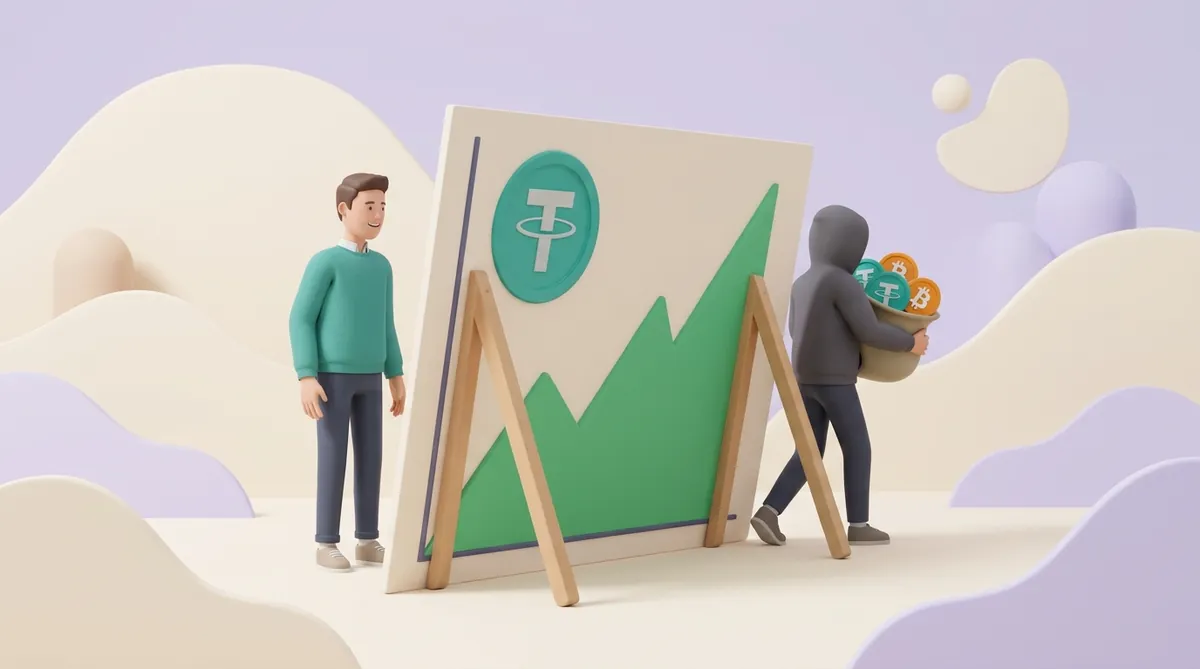
A pig butchering scam is a long con that ends in crypto. A stranger spends weeks becoming your friend or partner, then talks you into "investing" on a trading site they control. Your balance there keeps growing, but the real coins went to the scammers the moment you sent them, and you find out when you try to take your money out.
The name translates a Chinese phrase, sha zhu pan, roughly "pig-killing plate". Scammers call their victims pigs: first they fatten them up with attention and fake profits, then they take everything. Interpol has asked people to use plainer words such as "romance baiting", so that victims don't feel ashamed to come forward.
The person typing to you is rarely a lone fraudster. In 2023 the UN human rights office estimated that hundreds of thousands of people may be held in scam compounds in Southeast Asia, mostly in Myanmar and Cambodia, and made to run these chats from scripts. Your "new friend" can be several workers sharing one phone and one set of stolen photos.
The sums are large. In its report for 2025, the FBI counted about $7.2 billion in reported US losses to crypto investment fraud in a single year.
The details change from victim to victim, but the stages repeat. A typical case runs like this:
Stage five is the one that convinces careful people. The small withdrawal is real money, possibly taken from another victim's deposit, and it makes the site look like a working business.
Romance is the best-known version, which is why the scam is often filed under romance scams. Friendship or a business mentor works just as well: what makes it pig butchering is the long build-up and the investment at the end.

From inside the story, this is the hardest part to see. The site looks like an exchange, so it feels like your coins sit there in an account.
On a real exchange, a deposit lands in an account the exchange holds for you, and a licensed exchange answers to a regulator for it. On a pig butchering site, the deposit address it shows you is simply a wallet the scammers own. Once your USDT or bitcoin reaches that address, it belongs to them, and nobody can reverse the transfer.
Everything you see afterwards, the chart, the rising balance, the profit, is a page the scammers built. The numbers live in their database, and they can type in any figure they like. Nobody can withdraw it, because nothing stands behind it.
You can check where your coins actually went. Every crypto transfer has a public record with its own ID, showing the address the coins went to and where they moved next, and anyone can open it with a blockchain explorer that shows each transaction step by step.
The withdrawal fee is the clearest tell. A real exchange takes its fee out of the amount you withdraw and never asks you to send fresh money first. Taxes on crypto gains are settled with your tax office, not paid to the platform. A site that can't release your balance until you pay more doesn't have your balance.
Some pig butchering scams never ask you to deposit anywhere. The coins stay in your own wallet until the last moment, which makes these versions feel safer than they are:
If you've already connected a wallet to a site like this, that permission stays active until you cancel it, even after you close the page. Cancelling it takes a few minutes and a small network fee, and here is how to check and revoke the token approvals your wallet has given.
The first message is built to look harmless and to make a reply feel like the polite thing to do. These are the usual openers, in our own words:
What these openers share is a stranger, a plausible reason to talk, and a hope that you'll answer once.
The short answer is not to respond at all. It costs you nothing more than, now and then, ignoring a real person who mistyped a number, and they'll find the right one. Here is what to do instead:
Any one of these is a reason to stop and step back. Several together are the pattern:
If you're reading this after sending crypto, act today, in this order:
Many victims also ask whether their wallet was hacked. In the classic version it wasn't: you sent the coins yourself, which is exactly why they can't be pulled back. If you gave someone your recovery phrase or signed a permission on their site, though, the wallet is exposed, and it's worth reading how crypto wallets actually get hacked and how to close each gap.
Report even if you lost nothing: each report helps investigators trace addresses and find people who are still being drawn in. The main places, as of October 2026:
Also report the profile to the messenger or dating app where it started, so the account gets closed before it reaches the next person.
Investigators also work the other way round and warn people while the scam is still running. In the US, the FBI's Operation Level Up contacts people it identifies as current victims of crypto investment scams. In 2025 it reached 3,780 of them, and nearly four in five didn't yet know they were being scammed.

The honest answer: usually not, and rarely quickly. A crypto transfer can't be cancelled the way a card payment can, so any return has to come from freezing or seizing the coins after the fact.
That does happen, and two kinds of company can stop stolen coins:
Both work only while the coins are still within reach, which is why reporting in the first days matters more than anything else.
Then comes the second act. Weeks or months later, someone contacts you, or an ad finds you, offering to recover your money for an upfront fee. They may already know how much you lost. This is a recovery scam, often run by the same people, and it ends the same way: a fee, then a "tax", then silence. Government agencies don't charge you to investigate a crime, and nobody can trace and return crypto because you paid them first.
A pig butchering scam takes weeks to build, and the friendship and the growing balance are both part of the script. The tell is always the same at the end. Real money can be withdrawn; a balance you have to pay to release was never there. If a stranger online steers the talk toward crypto, stop there, and if you've already sent coins, save everything and report it the same day.
Stop there and don't send anything more. Block the number and report it as junk. One reply tells the sender your number is live, so more messages may come, but nothing has been taken from you. The risk starts only when you move to a private chat and money comes up.
It proves less than it seems. Some scam operations hire real people just to appear on video calls, and face-swapping software can put a stolen face on someone else in real time. Even a genuine person on camera can be reading from the same script, so judge by what they ask you to do, not by how they look.
A crypto transfer crosses borders in minutes, and no bank can reverse it once it's sent. Once the coins reach the scammers' wallet, they can move them on within minutes, before anyone has a chance to freeze them. Some versions still ask for bank wires or even cash handed to a courier, so the payment method alone doesn't clear anyone.
Sometimes, and on a large scale. On 14 October 2025 the US Justice Department charged Chen Zhi, the chairman of Cambodia's Prince Group, with wire fraud and money laundering conspiracy over forced-labour scam compounds, and filed to forfeit about 127,271 bitcoin, worth roughly $15 billion at the time. On the same day the US Treasury and the UK government announced sanctions against the group and people tied to it. Cases like this take years to reach a court's decision.
This article is general information, not legal or financial advice. For a decision about your own case, speak to the police, your bank or a qualified professional where you live.
Create an account and connect the checkout yourself, or talk to sales and we will plan the integration with you.